
Terrorism Risk Modeling: Premium Protection for Organizations

Catastrophe risk modeling began in the late 1980s and has evolved over the years to provide accurate calculations for organizations to estimate losses against a weather event like hurricanes, tornadoes or severe thunderstorms. Over time, the thinking behind this type of modeling has grown to envelop other types of catastrophes posing the potential to present […]
Ensure Your Property Is Properly Insured (…try saying that 5 times fast)

From business continuity planning to insurance policy management, risk managers have their hands full when it comes to being prepared for a potential loss. Time and again, we hear stories of entities filing insurance claims only to find they didn’t have adequate coverage. If you’re managing a large property portfolio, ensuring your buildings and structures are sufficiently […]
Disaster Recovery: Planning for Risk

For any organization, being exposed to a variety of risks is inevitable, which means, being prepared for the event of a risk occurrence can be extremely critical. Having a disaster recovery or business continuity plan in place can help reduce the impact felt by a risk occurrence and increase the resilience of your operation. Below […]
Desktop Valuations: Don’t Judge a Pump House by Its Cover

We’ve heard story after story of entities getting stuck with the bill after a catastrophe due to property values gone awry. These unfortunate instances expose how differences between an assumed property value and one attained on foot, by a trained professional, aren’t always noticed until it’s far too late. How did it happen? It often […]
How Simple Property Data Spreadsheets Can Lead to Complex Problems
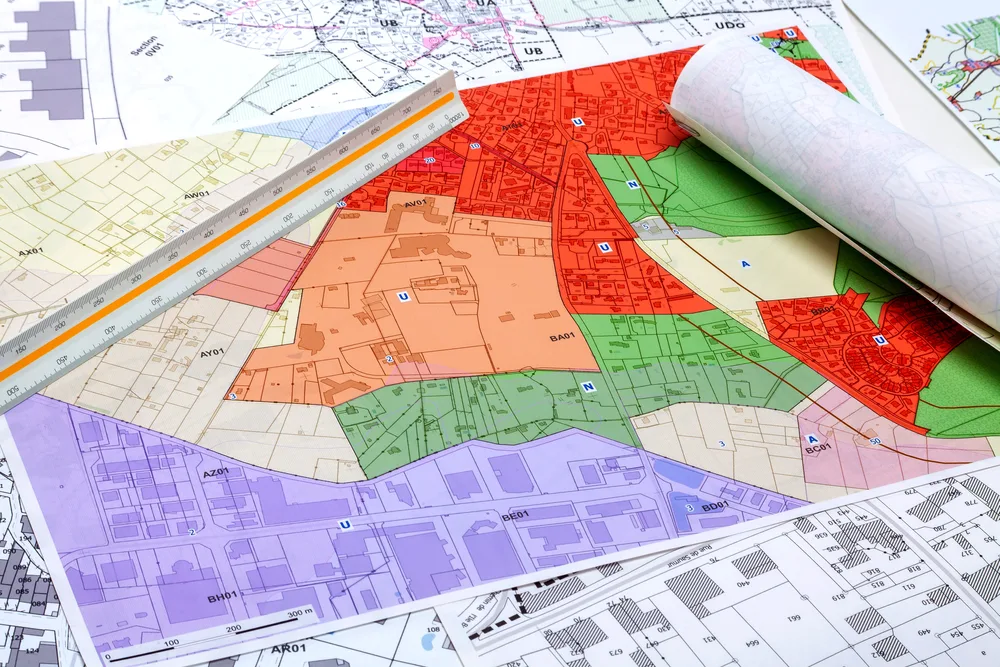
Challenges to Consider when Relying on Spreadsheets to Manage Property Data For years, organizations have gotten by managing property insurance-related data in multiple, complex spreadsheets. While this may seem like a quick and simple solution, it also presents many risks. Risks like: 1. An Unwieldy Volume of Data Increases Chance of Error As organizations grow […]
Help Prevent the Deobligation of FEMA Funds with the Right Documentation
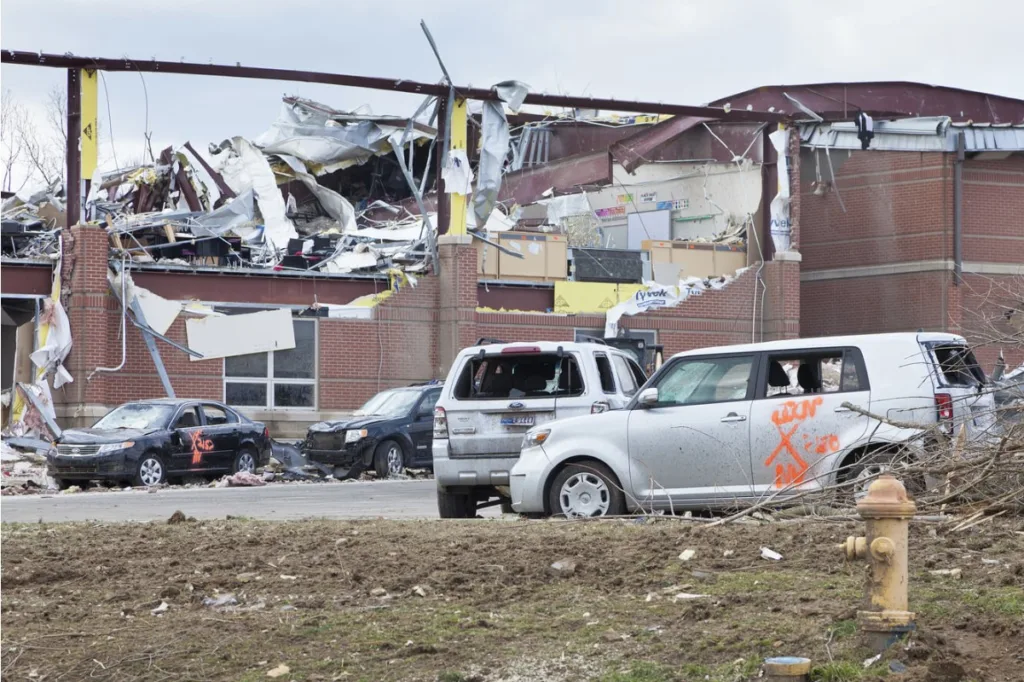
The key to loss recovery funding is: “Documentation, documentation, documentation!” Think about it as building a case for your loss. In order to prove your case, you’ll need evidence, and that means for both pre- and post-loss. Below are five types of documentation we suggest your organization maintain to help ensure that funding obligated through […]
Property Insurance Appraisals: There’s No Substitute for a Physical Inspection

Managing the risk of property exposure requires values that are both current and accurate. Desktop appraisal methods and multiple years of value trending depend solely on the accuracy and completeness of the data provided at the time the structure was added to your statement of values. These methods can potentially result in inconsistent values and […]
Catastrophe Modeling (CAT Modeling): A Benchmark for Determining Risk
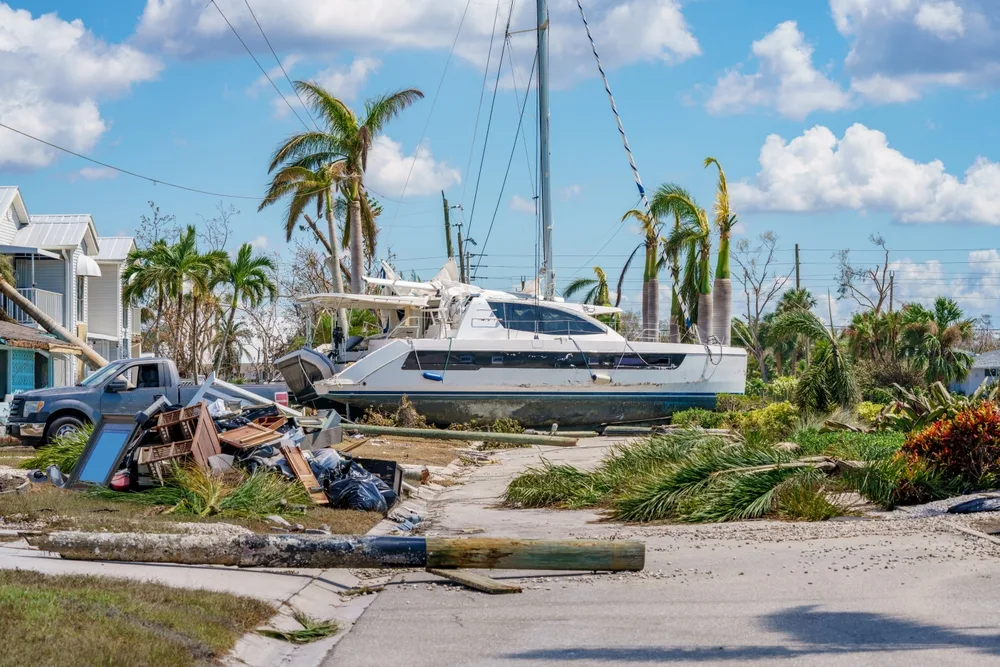
Increasingly, complex software programs for catastrophe (CAT) modeling are serving as a benchmark for insurers to determine risk across various geographical areas of the United States. While not all property and casualty insurers initially rushed to adopt this approach, dramatic rises in loss estimates and other challenges led to catastrophe modeling’s rapid, widespread adoption. As […]
Property Risk Management at the Movies

If life were a movie, risk managers would have to plan accordingly. Here are a few movies to challenge the skills, nerves, and patience of even the best property risk managers. Ghostbusters The scene: In 1984, director Ivan Reitman introduced the world to the Ghostbusters, the paranormal investigators who save New York City from supernatural takeover. […]
Three Common Post-Loss Property Liability Insurance Challenges
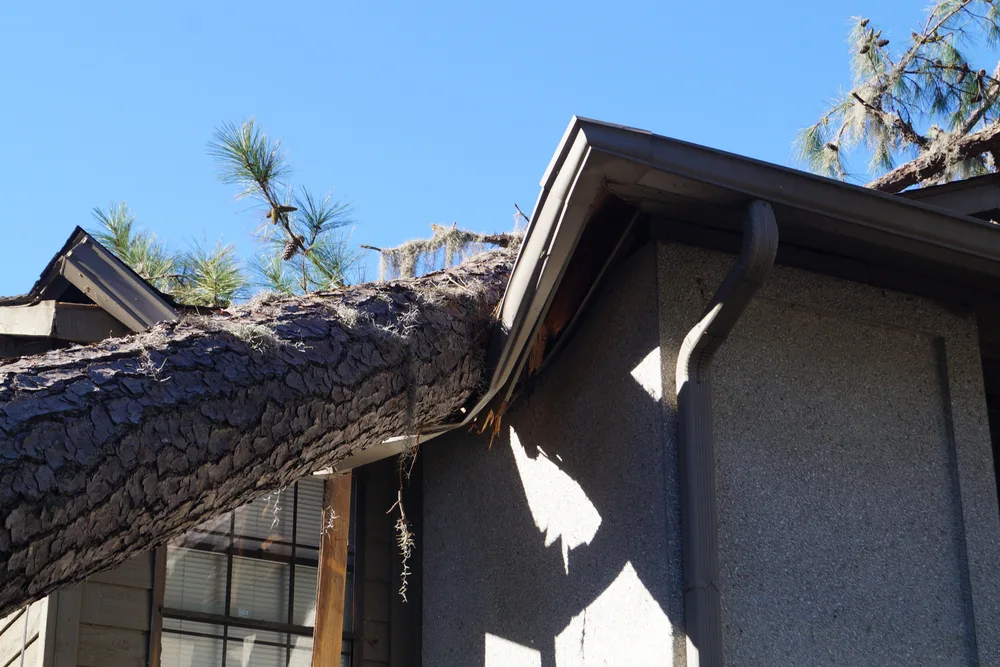
Regardless of size or location, every organization is exposed to risk which is why the role of risk manager is so important. Risk managers are tasked with the challenge of identifying and analyzing potential risks as well as implementing procedures to minimize their impact. In the best-case scenario, the occurrence of a risk event does […]