What is this page?
This page is our guide to appraising unique structures and it was designed for risk pools, public entities, schools, and state organizations. It discusses different types of unique properties such as water/wastewater treatment facilities, ballparks, stadiums, ski lifts, historic buildings, and how these are appraised differently than more standard structures. Appraising unique structures requires understanding how a property was built, how it functions, and which components drive its replacement cost. This guide explains what makes these appraisals different, the information they require, and how better documentation can support a more defensible Statement of Values (SOV).
Who is this for?
Risk managers, pool members, and anyone dealing with property appraisals for unique structures in municipalities across the United States.
What will you find here?
This page collects diverse resources on how various unique structures are appraised, what our appraisers need to know in advance, and what you can expect during an appraisal of your unique structures. We’ve included articles, case studies, white papers, checklists, webinar recordings, and frequently asked questions to help make learning what you need to know efficient.
A property may need a specialized appraisal approach when its design, construction, equipment, function, or combination of uses won’t fit neatly into a standard building model. That includes structures that are visibly unusual, but it also includes properties whose complexity is less obvious at first glance.
Consider a historic theater with apartments above it, a recreational facility spread across difficult terrain, or a building containing highly specialized operating systems.
An observatory may look like a conventional building until you consider its rotating dome and isolated telescope foundation.
A stadium might seem simple, listed as one line on the insurance Statement of Values (SOV), but then appraisers see it’s actually made up of many disparate structures and assets like grandstands, restaurants, suites, historic buildings, and specialized equipment.
A wastewater treatment plant’s most important components may extend below ground or span separate buildings with separate functions.
Other examples might include:
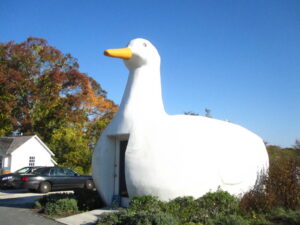
For risk pools, states, municipalities, and universities, these properties raise an important question: does your insurance valuation capture the full story?
The valuation approach must not only account for the basics, but also the features that make the property different. A familiar occupancy label can be a useful starting point, but it may leave significant costs unexplained.
For unique structures, square footage and occupancy are important, but are just a fraction of the story; the property’s details are what frequently affects its value. Standard building cost data can help appraisers estimate conventional portions of a property. But the unique components often require additional research and a more detailed breakdown.
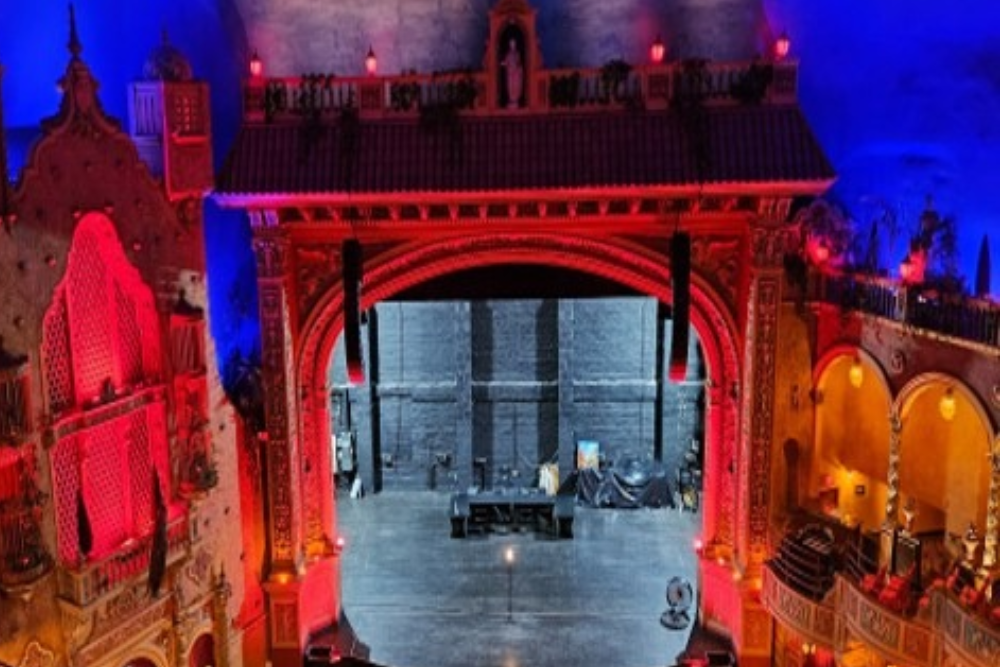
Consider a historic theater with residential floors above it. The apartments and auditorium differ in ceiling height, layout, finishes, equipment, and construction. Averaging their costs into one square-footage rate can obscure those differences.
Similar problems arise when an entire stadium or treatment facility appears as a single value on your Statement of Values. Without supporting detail, it becomes harder to understand which assets are included, update individual components, or identify the value associated with a partial loss.
A detailed appraisal connects the overall value to the buildings, structures, and systems behind it. That gives your organization a clearer basis for reviewing its property schedule and discussing insurance needs. It allows insurers/reinsurers to more clearly understand the replacement or reproduction value of the property and its components in the case of a loss.
Unique properties require a systematic appraisal process, like any property would. But each step may call for more investigation, more specialized cost evidence, or closer collaboration with people who know the property best. At Centurisk, our valuation experts approach unique structures using the five following steps:
Your property appraisal firm should begin by working with you to establish what the project will cover. Which buildings, structures, fixed equipment, contents, and property in the open need to be valued? How should shared systems and specialized equipment be classified?
For historic properties, the appraisal team should clarify whether the assignment calls for a modern functional replacement of the property if loss occurs, or some degree of historic replication. These questions affect the costs the appraiser needs to research and how the results should appear on the schedule. An exact reproduction of a historic decorative element, for example, would need an artisan practicing techniques that time period, using tools and materials identical to what was originally created. That can present challenges in today’s market and be more costly than something made with modern techniques and materials.
A thorough appraiser should collect conventional building information, including dimensions, construction, heights, and finishes. But Centurisk appraisers also investigate the features that require additional attention: custom assemblies, unusual foundations, specialized systems, or historically significant ornamentation.
We use site observations, photographs, construction records, and conversations with operators to help build a fuller picture. We also find examining the original plans can be valuable when important components are concealed or inaccessible.
Next, our appraiser will break the unique property into parts for evaluation. This allows them to apply appropriate cost information to each area or system.
For an observatory, that might mean separating the base building, dome assembly, telescope support, and fixed controls. For a stadium, it may mean distinguishing the grandstands from suites, concessions, locker rooms, and specialty systems.
The breakdown is designed to make the estimate easier to support and understand, while helping identify missing items or overlapping costs.
Appraisers use published building cost data to help value conventional construction. But specialty components may require addition information, such as manufacturer pricing, contractor input, comparable project information, or detailed construction records.
Our appraisers also consider installation conditions. Difficult access to the structure, freight, equipment staging, foundations, and seasonal construction limits can all affect the cost of replacing a complete operating system.
To ensure customers receive a defensible appraisal, we develop a final report on the project’s scope, cost evidence, methods, and significant assumptions. We also double-check that components have been classified consistently and that costs have not been omitted or counted twice.
The result should give your organization a value it can understand and support.
Related reading:
Unique structures teach us that standard building models serve as an important baseline in determining replacement cost values but any unique features on a site require additional attention and research to build the full value.
Some examples from Centurisk’s webinar, How Do You Value That? Appraising Unique Structures (viewable here) show how different properties require different specialized attention. The video talks about:
Let’s briefly discuss each of these examples.

An observatory’s building shell might seem standard as far as structures go. But its rotating dome, shutters, controls, telescope support, and environmental systems require closer investigation.
A thorough appraiser should document the dome’s dimensions and materials, its operating equipment, and whether the telescope rests on a foundation isolated from the building. By documenting and valuing the telescope, mount, cameras, and computers separately from the building’s standard structural elements, this supports insurance needs in the case of loss.
The takeaway: A standard building model may help price the shell while leaving important specialty components unaccounted for. Choose an appraisal provider who will document the specialty components separately to create a complete value.
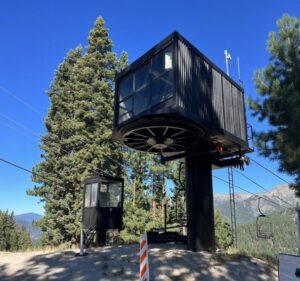
A photograph of a ski lift terminal only lets appraisers examine a fraction of the elements that add value to the asset. That’s why Centurisk valuation experts go onsite for a more thorough appraisal. This allows us to see the full operating system that extends along the route, including the towers, foundations, rope, carriers, drive equipment, braking systems, controls, and communications.
Terrain matters, too. Our appraisers investigate access to tower locations, crane availability, freight accessibility and elevation. We also determine how difficult it is to reach and repair or replace the lift during winter which can affect replacement costs. We even review manufacturers’ information to establish the specific equipment models used and any associated costs.
The takeaway: Equipment value must be understood in the context of the complete system and the conditions required to install it. Ensure your chosen appraisal firm is prepared to give the site a thorough, in-person inspection.
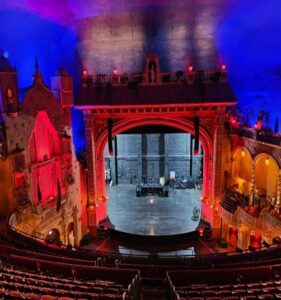
Centurisk once appraised a theater with apartments above it, a unique situation combining different occupancies within one building. In a case like this, the auditorium, stage, lobbies, support spaces, and residential floors needed their own measurements and cost considerations.
Ornamental plaster, decorative ceilings, railings, millwork, and specialty lighting may require research beyond standard theater cost data. Appraisers must also establish the intended treatment of historic features before estimating their costs. Reproduction costs are different from simple replacement costs, and should be made to precisely replicate the look and materials of the original. That can greatly affect cost.
The takeaway: Mixed uses and historic craftsmanship deserve explicit attention in the valuation. Make sure your chosen valuation firm is prepared to examine the full picture and all its details.
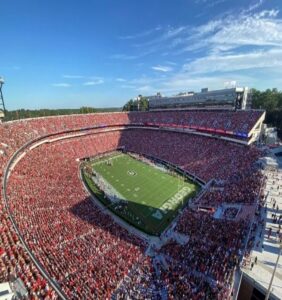
A stadium or ballpark can contain structural grandstands, concourses, clubs, suites, press areas, locker rooms, concessions, and training facilities. Expansions and renovations may introduce different construction systems and finish levels across the site. At Centurisk, we’ve even appraised a ballpark built on the site of a historic foundry, with original structures integrated strategically with new facilities.
And that’s why it becomes so important to divide the property into zones and occupancies. It allows the appraiser to use cost evidence suited to each portion of the facilities. Your appraiser should also document video displays, sports lighting, sound systems, elevators, and other specialty equipment. Each element adds to the total value.
The takeaway: Seating capacity alone cannot explain the replacement and reproduction costs of a complex sports facility. Your appraisal provider should be prepared to document the site’s many facets.
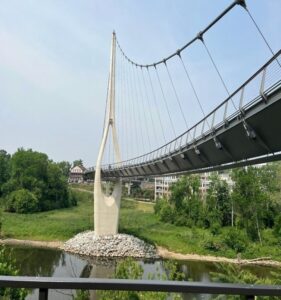
A distinctive pedestrian bridge may depend heavily on specialty fabrication, foundations, anchors, cables, and its engineered deck systems.
As-built drawings, quantities, bid information, and final pay applications help appraisers understand the structure and its costs. Your appraiser should also assess river access, environmental restrictions, staging, and any temporary construction work to complete the site valuation.
The takeaway: Engineering and construction records can reveal costs that photographs and surface measurements cannot. Find out how your preferred appraisal partner approaches these structures before you commit to the valuation project.
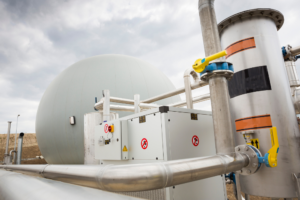
Water and wastewater treatment facilities typically combine buildings, process structures, equipment, and infrastructure that may extend underground or below water. Which means SOVs listing the plant as a single overall value can conceal important differences among individual assets and make full loss recovery time-consuming and difficult.
At Centurisk, we document tank and basin dimensions, depths, capacities, and equipment information. We’ve found plant operators can be particularly helpful about supplying information that appraisesr cannot establish through visual observation alone.
Takeaway: As with other unique properties, the goal for appraising water or wastewater treatment plants is to understand the complete asset, including the portions that are difficult to access or observe.
For a closer look at treatment facilities, check out these additional resources:

To understand how to value a historic property, it’s important to know the difference between replacement costs and reproduction costs.
Replacement cost generally values the property so that insurance will pay for a modern substitute with comparable function, in the case of a loss. Reproduction cost, on the other hand, involves recreating the original construction of the damaged property, including materials, design, and workmanship.
The difference can be substantial when a property contains features like decorative plaster, custom stonework, murals, historic lighting, or other difficult-to-match features. Recreating those elements may require specialty craftspeople, materials research, and additional time.
The appropriate cost type depends on the appraisal assignment and applicable policy provisions. Historic status alone should not substitute for that discussion. So you’ll want to ask your appraisal partner and insurance team to clarify how historic features, applicable rebuilding requirements, and code-related costs will be addressed.
Learn more on these topics here:
When doing the research to value unique properties, it’s important to not fall into one common trap: project cost is not the same as insurable value. While it initially may seem like an easy way to determine value, the project budget can include more than just the property being valued and the building itself, like:
Replacement cost values focus specifically on the cost of reconstructing the insured building and its associated systems.
For newer properties, construction documents can provide a valuable starting point to determine property value. At Centurisk, our appraisers may request final pay applications, schedules of values, change orders, plans, specifications, and equipment schedules.
But we also review each line item to decide whether its relevance to the property itself. That means distinguishing buildings, fixed equipment, contents, and property in the open, then reviewing other expenses against the defined scope.
To prepare for an appraisal of unique property, begin by organizing the records you have and identifying people who can fill in the gaps. This gives the project a stronger starting point. You don’t need every answer before the appraisal begins.
Gather:
After the appraisal, keep your supporting records connected to the appropriate assets. And don’t forget to document additions, removals, renovations, and equipment changes so future reviews begin with a clearer picture of the property. A risk management system with property features, like RiskStar, can help you keep it together and organized.
Check out two of Centurisk’s customer case studies featuring unique properties we’ve appraised.

Erlanger Park in Chattanooga, Tennessee combines preserved buildings from the historic Wheland Foundry site with modern baseball facilities. Its mix of construction and uses required individual attention to major buildings and specialty structures.
Centurisk’s appraisal moved the City from an initial overall insured value of approximately $110 million to documented replacement values totaling approximately $84.6 million. The review distinguished insurable property from project expenses outside that scope and helped lower premiums.
Read the City of Chattanooga case study
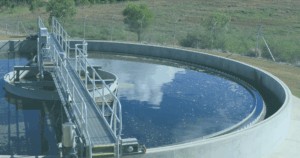
ACWA JPIA’s property portfolio includes treatment facilities, pump stations, hydroelectric facilities, and other specialized water infrastructure. Managing that diversity required both specialized appraisal expertise and a more consistent way to maintain property information.
By combining a structured appraisal program with Centurisk’s RiskStar risk management software as a centralized system of record, ACWA JPIA supports ongoing member updates, renewals, reporting, and claims-related work.
For more detailed information on unique structures, check out our articles, video, features and cases studies below.
If you’re looking to get your arms around appraising unique properties, what it entails and why it’s important, check out the items below.
Learn how appraising historic properties is done differently than more modern properties, and why.
Water and wastewater facilities require special appraisal know-how. Learn more about the unique differences here.
A stadium or ballpark may be one line on your property schedule but that can hide a lot of important unique details. Learn more about the best practices for these unique properties.
Check out these links for solutions related to appraising unique properties and managing and maintaining the collected property data.
Do you have additional questions about appraising unique properties? Check out our Frequently Asked Questions. And if you have a question that’s not in there that we should include, contact us and we might add it!
Yes. It may be appropriate for conventional portions of a property. But note: custom systems and unusual construction can require additional evidence, such as manufacturer information or comparable project costs.
Its treatment depends on the equipment, project scope, and policy. Document it separately as you pull information for your appraisal firm, so the appraisal and insurance teams can determine its appropriate classification and avoid omissions or duplicate values.
The valuation basis should be established through the assignment and applicable policy provisions. Clarify whether the estimate should reflect modern functional replacement, historic replication, or a defined combination.
An appraisal becomes defensible when an organization sits at the table with insurers prepared with a clear property report, reliable cost evidence, an explained method, and documented assumptions. The report should show how the property’s significant components contribute to the result. This helps build trust with insurers and can support better ratings and potentially better rates.
Check below for the definitions of topics we discussed in this section.
Appraisal
A formal process to determine the current replacement cost, reproduction cost, or market value of a property or asset for insurance and risk management planning purposes. Click here to learn more about Centurisk’s property insurance appraisals.
Data Integrity
In the context of property risk management, it’s the accuracy, consistency, and reliability of property and risk data used for insurance, planning, and compliance decisions.
Exposure
The potential risk or financial loss an organization faces due to hazards like fire, flood, earthquake, or liability claims.
Historical Building
A structure recognized for its architectural, cultural, or historical significance. Often subject to special preservation guidelines and may require tailored insurance or valuation approaches. Click here to learn more about appraising historic properties.
Insurable Value
The total amount for which a property or asset should be insured, often based on replacement cost or actual cash value.
Insurance Premium
The amount an organization pays for insurance coverage over a specified period. Premiums are influenced by the insured value, risk characteristics, loss history, and rating factors.
Insurance Rate
The cost per unit of insurance (often per $100 of insured value) used to calculate the premium. Rates are determined by insurers based on risk exposure, historical losses, and underwriting guidelines. Learn more about insurance rates here.
Insurance Rating
The process insurers use to assign a level of risk to a property, which affects the rate and premium. Ratings are influenced by factors like COPE data, protection class, and historical claims. Learn more about insurance ratings by clicking here.
Occupancy Type
The use or function of a building (e.g., residential, educational, industrial), which, in combination with construction class, affects insurance risk.
Onsite Appraisal
A valuation conducted through physical inspection of a property or asset, providing detailed, firsthand data for insurance and planning. Click here to learn more about Centurisk’s onsite appraisals.
Policy
In insurance, a contract between an insurer and an insured that defines the coverage provided, policy terms, limits, conditions, and exclusions for specific risks or losses.
Property Risk Management
The process of identifying, evaluating, and mitigating risks associated with physical assets, including buildings, equipment, and infrastructure.
Property Schedule
A structured list of properties or assets, including their values and attributes, submitted for insurance underwriting and risk planning. To learn more about validating the data on your property schedule, click here
Replacement Cost Value (RCV)
The cost to replace an insured item or property with a new one of like kind and quality, without deducting for depreciation.
Reproduction Cost Value
The estimated cost to rebuild a property using the same materials, construction methods, and design as the original, regardless of current building codes or modern materials. It generally is used for historical properties or properties with rare/unique features. For more information on reproduction costs, click here.
RiskStar
Centurisk’s cloud-based risk management platform designed to centralize COPE data, property details, inspections, and valuation tools to support smarter insurance and resilience planning. Learn more about RiskStar here.
Statement of Values (SOV)
A standardized document submitted to insurers that summarizes the total value and details of insured properties, often required for underwriting and premium calculation.
Total Insurable Value (TIV)
The combined value of all property, contents, and income-producing capabilities insured under a policy, often used to calculate premiums.
Underinsurance
A situation where a property or asset is insured for less than its actual value, which can lead to significant financial loss after a claim.
For additional term definitions, check out our full Glossary here.